
Step 1: Understand the Difference Between Stucco and Vinyl
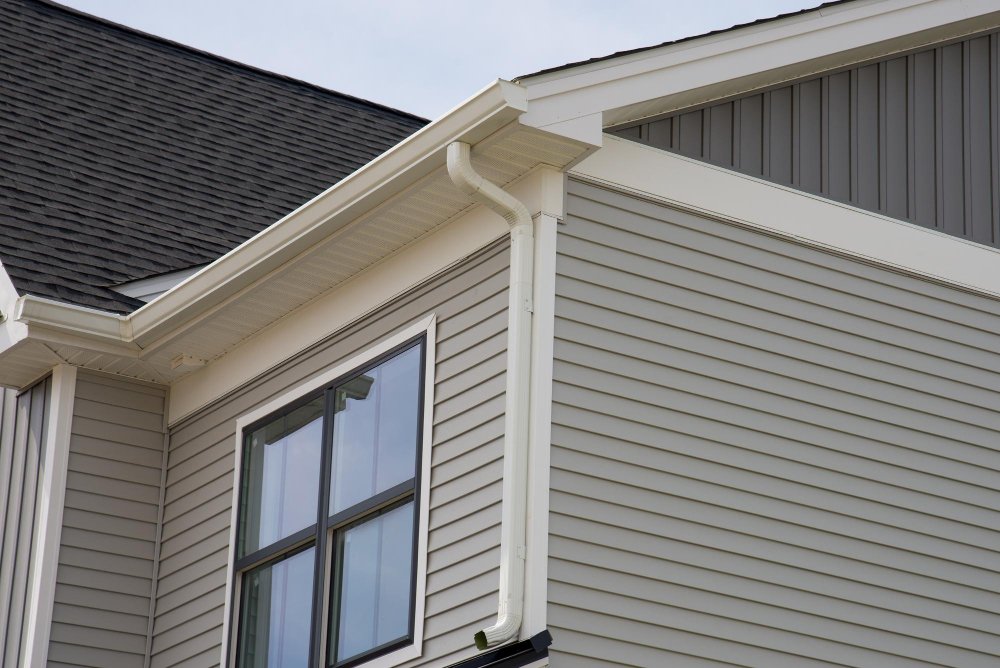
The first step is understanding what each material actually is and how it functions as part of your home’s exterior. Stucco is a cement-based exterior finish that is applied in multiple layers over a prepared wall system. Once cured, it creates a continuous, textured surface that has been used for generations on Mediterranean, Spanish, Southwestern, and many contemporary homes. Vinyl siding, on the other hand, consists of manufactured PVC panels that attach to the exterior walls in overlapping courses. Modern vinyl siding is available in numerous colors, textures, and profiles, including options that resemble painted wood. Although both materials protect the home, they create very different visual styles. Stucco offers a smooth, monolithic appearance with very few visible joints, while vinyl siding emphasizes horizontal or vertical lines that add texture and definition to the façade. Before comparing costs or maintenance requirements, begin by considering how each material complements your home’s architecture. Checklist- ✓ Identify your home’s architectural style.
- ✓ Consider your local climate and weather conditions.
- ✓ Decide whether appearance or low maintenance is your top priority.
Tip
Choose an exterior material that complements both your home’s design and your local climate—not simply what’s currently popular.
Remember that the best-looking exterior is one that continues performing well for many years after installation.
Step 2: Compare Performance and Maintenance
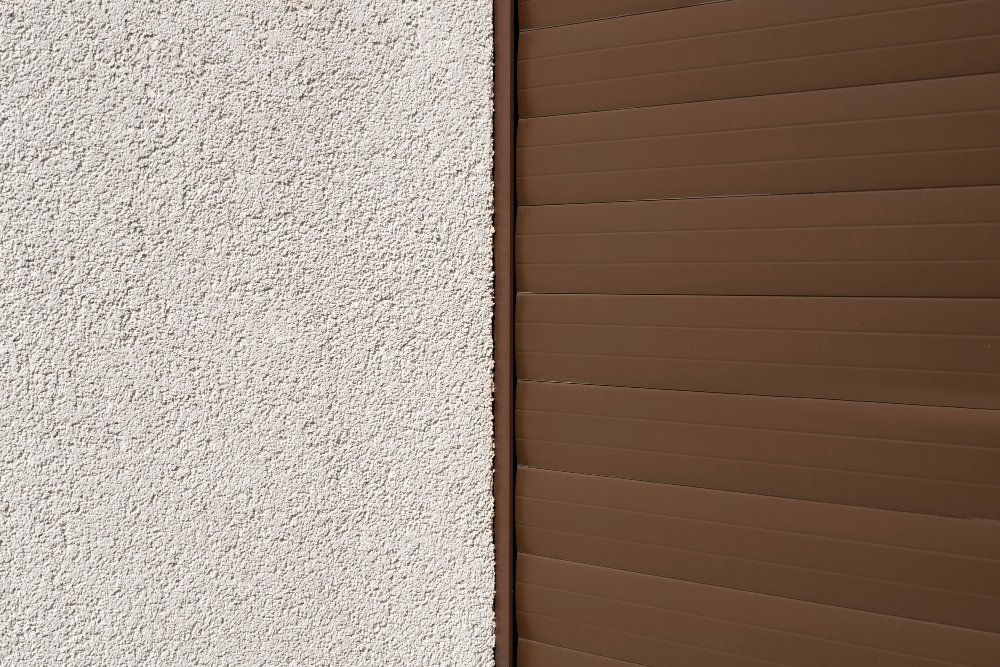
Once you understand the basic differences, the next step is evaluating how each material performs throughout its lifetime. Start by considering durability. Properly installed stucco can provide decades of service and offers excellent resistance to fire and insects. However, it may develop cracks over time as buildings naturally settle, making periodic inspections and repairs important for maintaining its protective qualities. Vinyl siding is also designed for long-term performance, but it behaves differently. Because it is manufactured in individual panels, damaged sections can often be repaired or replaced without affecting the rest of the exterior. Vinyl also resists rot and insect damage while requiring relatively little routine maintenance. Moisture management is another important consideration. Stucco relies on correct installation, drainage details, and proper moisture barriers to perform effectively. If water becomes trapped behind the finish due to improper installation, repairs can become more involved. Vinyl siding is designed as a ventilated cladding system that allows moisture to drain and evaporate when installed correctly. Like any exterior material, however, its long-term performance depends on professional installation and proper detailing around windows, doors, and other penetrations. Fire resistance often favors stucco because of its cement-based composition, while vinyl’s strengths typically include lower maintenance requirements, design flexibility, and relatively straightforward cleaning using mild soap and water. Energy efficiency is frequently misunderstood. Neither stucco nor vinyl alone determines how energy-efficient a home will be. Insulation quality, air sealing, weather barriers, and installation methods generally have a much greater impact on heating and cooling performance than the exterior finish itself. Maintenance also deserves careful consideration. Although both materials are relatively durable, they require different types of upkeep over the years. Stucco should be inspected periodically for hairline cracks or areas where moisture could enter the wall system. Addressing minor repairs early helps preserve the finish and prevents more extensive problems from developing later. Vinyl siding generally requires less routine maintenance. Occasional washing is often enough to remove dirt, pollen, and other surface debris, helping the exterior maintain its appearance without painting or sealing.Warning
Selecting an exterior material based only on upfront installation cost can lead to higher maintenance expenses or repair costs over the life of your home. Always evaluate long-term ownership costs before making a final decision.
Checklist
- ✓ Compare routine maintenance requirements.
- ✓ Review expected repair needs.
- ✓ Consider your local climate before selecting a material.
Step 3: Match the Material to Your Home
Now that you’ve compared performance, it’s time to determine which material best suits your specific home. If your home features Mediterranean, Spanish, or Southwestern architecture, stucco often provides a natural design match. Its seamless appearance complements these styles while creating the clean, sculpted look many homeowners appreciate. Vinyl siding offers exceptional versatility. With numerous profiles, textures, and colors available, it works well on Colonial, Craftsman, Cape Cod, farmhouse, and many contemporary homes. Homeowners who value flexibility often appreciate the broad selection of design options. Your local climate should also influence the decision. Dry climates have historically been well suited to stucco, while many regions with varying weather conditions successfully use professionally installed vinyl siding. Understanding how each material performs in your environment helps ensure long-term satisfaction. Budget extends beyond installation costs. Consider maintenance, potential repairs, expected lifespan, and future remodeling plans when evaluating the total investment. Checklist- ✓ Compare total ownership costs.
- ✓ Review manufacturer warranties.
- ✓ Consult experienced remodeling professionals.
Tip
The best exterior isn’t necessarily the most expensive—it’s the one that performs reliably in your climate while supporting your long-term remodeling goals.
Bringing It All Together
Choosing between stucco vs vinyl becomes much easier once you evaluate the complete picture instead of focusing on appearance or price alone. As you make your decision, remember to:- Compare how each material complements your home’s architecture.
- Evaluate long-term maintenance rather than only installation costs.
- Consider your local weather conditions and climate.
- Review durability, repair expectations, and warranties.
- Prioritize professional installation to maximize long-term performance.